Landscaping Shortlands: Creating Beautiful, Practical Outdoor Spaces That Last
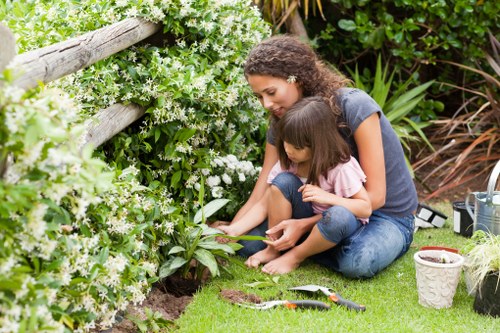 Landscaping Shortlands is more than arranging plants and laying turf; it is the thoughtful shaping of outdoor spaces so they feel inviting, functional, and suited to the character of the property. In a place like Shortlands, where gardens, front lawns, and backyards often play a major role in how a home feels, well-planned landscaping can transform an ordinary outdoor area into something that adds daily enjoyment and long-term value. Whether the aim is a neat family garden, a low-maintenance courtyard, or a more natural setting with layered planting, the best results come from combining design, structure, and plant choice in a way that reflects the local environment.
One of the most appealing aspects of landscaping in Shortlands is the opportunity to balance beauty with usability. A garden should not only look good from the window; it should also work well for the people who use it. That might mean creating shaded seating areas, improving access across the lawn, softening hard edges with planting, or organizing different zones for relaxation, play, and entertaining. Good landscape design brings order to the space without making it feel rigid. It creates flow, defines purpose, and allows the outdoor area to feel like a natural extension of the home.
 The local setting matters greatly when planning Shortlands landscaping. Soil conditions, seasonal weather patterns, light levels, and the existing style of nearby properties all influence which plants and materials will perform best. A successful outdoor space is rarely the result of random choices. Instead, it comes from selecting features that suit the site. This can include drought-tolerant planting for sunnier sections, shade-loving shrubs beneath trees, or durable paving that can withstand everyday use. When these details are considered carefully, the result is a landscape that looks polished and remains practical across the seasons.
The Value of Thoughtful Landscape Design in Shortlands
Great landscaping is not simply decorative. It creates a sense of structure that helps a garden function better. In Shortlands, where outdoor spaces can range from compact front gardens to larger family yards, design decisions have a big influence on how the space feels and how easily it can be maintained. A well-organized garden often starts with understanding the natural strengths of the site. Existing trees, slopes, boundaries, and sunny patches can all be used to build a more cohesive landscape rather than being treated as problems to work around.
One of the main goals of landscaping Shortlands properties is to ensure that every part of the space has a clear purpose. For example, a front garden may prioritize visual appeal, while a backyard may need privacy, children’s play space, or room for outdoor dining. By assigning roles to different areas, a landscape becomes more intuitive and pleasant to use. This approach also helps reduce clutter and supports a cleaner overall look. Instead of filling the space with too many unrelated elements, the design can remain elegant and intentional.
Another advantage of considered landscape planning is the way it increases harmony between hard landscaping and planting. Paths, borders, fences, retaining walls, patios, and garden beds should all work together. If materials and shapes are chosen carefully, they create a sense of continuity that makes the outdoor area feel finished. Strong design choices do not need to be flashy; often the most effective landscapes are those that appear calm, balanced, and easy to live with. In Shortlands garden landscaping, this harmony is especially valuable because it helps a property feel welcoming from the first glance.
Choosing Plants That Suit Landscaping in Shortlands
Plant selection is one of the most important parts of any landscaping project. The right plants provide colour, texture, fragrance, shade, screening, and seasonal interest. They also determine how much time will be needed for watering, pruning, and general upkeep. When choosing planting for a Shortlands landscape, it helps to think about form as well as function. Some plants offer structure through evergreen foliage, while others provide seasonal flowers or dramatic leaf shapes. A varied planting plan can make a garden feel layered and dynamic throughout the year.
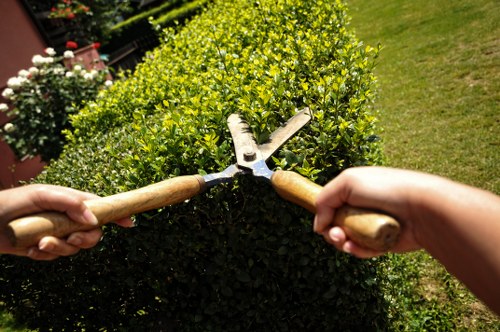 Trees can play a major role in shaping the atmosphere of a garden. In landscaping for Shortlands homes, trees are often used to create privacy, provide shade, and bring height into the composition. Smaller ornamental trees can add elegance without overwhelming the space, while larger canopy trees can anchor a garden and offer a sense of maturity. Shrubs and hedging plants are equally useful because they define boundaries, soften fences, and create visual rhythm. Groundcovers and perennials fill in gaps, reduce bare soil, and help make the planting scheme feel complete.
It is also worth thinking about texture and contrast. A garden with only one plant type can feel flat, whereas a mixture of leaf sizes, growth habits, and colours creates depth. For example, narrow upright plants can be balanced with rounded shrubs, and fine foliage can be contrasted with bold, broad leaves. This approach gives the landscape more interest without relying on excessive ornamentation. In fact, many attractive Shortlands landscaping projects succeed because they use restrained palettes and let the shape of the planting do the work.
Hard Landscaping Elements That Strengthen the Space
While planting brings softness and life, hard landscaping provides the framework that supports the whole garden. Paths, patios, steps, retaining edges, and paved areas all influence how the space is used and experienced. In Shortlands landscaping, these elements often help connect the house to the rest of the garden and make movement through the space more comfortable. A well-placed path can guide the eye, while a patio can create a distinct outdoor room for dining or relaxing.
Material choice is an important consideration. Natural stone, brick, concrete pavers, timber, and gravel each create a different atmosphere. Some materials feel formal and refined, while others are more relaxed and casual. The best option depends on the architecture of the home, the style of the planting, and the practical needs of the space. A landscape with a modern home may benefit from clean lines and smooth paving, while a more traditional property might suit softer textures and warmer tones. The key is to create a sense of unity so the whole garden feels intentional rather than pieced together.
Well-designed hard landscaping can also improve drainage, reduce muddy areas, and make the outdoor space easier to manage after rain. That practical benefit should not be underestimated. In many landscapes in Shortlands, the most effective changes are not always the most visible. Subtle grading, improved edging, and carefully positioned surfaces often make the difference between a garden that feels awkward and one that feels effortless. Practical beauty is one of the strongest qualities a landscape can have.
Creating Low-Maintenance Landscaping Shortlands Residents Appreciate
Many homeowners want a garden that looks attractive without demanding constant attention. This is where low-maintenance landscaping becomes especially valuable. A well-planned garden can reduce unnecessary work while still providing beauty, variety, and seasonal interest. In Shortlands, this often means using durable materials, resilient planting, and layouts that are simple to maintain. The goal is not to create a bare or lifeless space, but rather one that remains appealing with reasonable care.
Low-maintenance landscaping Shortlands properties often includes evergreen shrubs, hardy perennials, mulch for weed suppression, and efficient irrigation where needed. Mulching is especially useful because it helps retain moisture, improves the appearance of beds, and limits weed growth. Choosing plants that suit the available light and soil also reduces the need for intervention. When plants are placed in the right conditions, they generally grow better and require less correction later. This is one reason thoughtful planning matters so much at the beginning of a project.
Simple layouts also support easier upkeep. A garden with clear lines, accessible borders, and balanced planting groups is typically more straightforward to care for than one with too many tight corners or complicated shapes. That does not mean the design has to be plain. On the contrary, a clean layout can make the planting stand out more effectively. The result is a landscape that feels calm and sophisticated while remaining manageable across the year. Long-term functionality should always sit alongside aesthetics when shaping any outdoor space.
Midway through any landscaping project in Shortlands, it becomes clear that the best spaces are usually those that evolve from a strong concept rather than a collection of isolated ideas. A garden might begin with one attractive feature, such as a patio or a statement tree, but it becomes truly successful when all the elements support one another. This includes matching the size of the planting to the scale of the garden, balancing open space with enclosed areas, and ensuring that the design reflects the way the property is actually used. A family garden may need robustness, while a quiet courtyard may benefit from simplicity and shelter.
Seasonal interest is another part of the equation that is sometimes overlooked. A landscape should not only look good in spring or summer; it should retain structure and appeal through colder months as well. This can be achieved by combining evergreen planting with deciduous species, ornamental grasses, bark textures, and structural features that remain attractive even when flowers are absent. In many Shortlands landscaping projects, this layering of seasonal qualities is what keeps the space interesting all year round. It gives the garden depth and prevents it from feeling empty during quieter seasons.
Colour also plays a major role in how a garden is perceived. Soft greens, silvery foliage, white flowers, and muted tones create a peaceful atmosphere, while stronger colours can energize the space and draw attention to key focal points. The most effective shortlands garden landscaping schemes use colour with restraint, allowing a few carefully chosen shades to make a bigger impact. That approach keeps the space cohesive and helps avoid visual overload. The result is often more refined and easier to maintain over time.
Improving Privacy and Comfort Through Landscaping
Privacy is one of the most common reasons people invest in landscaping. Outdoor spaces feel far more enjoyable when they offer a sense of seclusion from neighboring properties or street views. In Shortlands, this can be achieved in several ways: layered planting, hedges, screening trees, trellises with climbing plants, and thoughtfully positioned structures all contribute to a more private setting. The best solutions often combine several elements so the garden feels natural rather than blocked off.
Comfort is equally important. A well-landscaped garden should make people want to spend time outside. Shelter from wind, shade from strong sunlight, and seating areas placed in pleasant locations all improve usability. If a garden is too exposed, even a beautiful layout may go unused. But when landscaping provides a comfortable environment, the outdoor area becomes much more valuable. It can support family meals, quiet reading, social gatherings, or simply a few peaceful minutes outdoors at the end of the day.
Using planting as a soft barrier is often more attractive than relying only on fences or walls. Dense shrubs, layered borders, and climbing plants can create boundaries while still preserving a friendly feel. This is a particularly effective method in Landscaping Shortlands projects because it allows privacy to be built into the design without making the space feel enclosed. When the layout is carefully considered, the garden can feel both open and protected at the same time.
How Landscaping Can Increase Property Appeal
Outdoor presentation has a significant effect on how a property is perceived. A well-kept, thoughtfully designed garden suggests care, quality, and attention to detail. In many cases, the landscape is the first thing people notice, and it sets the tone before they even step inside the home. Shortlands landscaping can therefore play a meaningful role in improving curb appeal and strengthening the overall impression of the property. This is true whether the goal is personal enjoyment or a more polished appearance for future interest.
Front gardens often have the biggest influence on first impressions. Simple improvements such as neat edging, tidy planting, coordinated materials, and a clear path to the entrance can make a property appear more refined immediately. Back gardens also matter, however, because they shape how the home functions day to day. An outdoor area that feels considered and attractive can make everyday life more pleasant. When the garden aligns well with the house, the property feels more complete.
In addition to visual appeal, landscaping can improve how the space is experienced emotionally. A balanced garden can feel calming, uplifting, and restorative. That value is difficult to measure, but it is one of the reasons people invest in outdoor improvements. Landscaping Shortlands homes is not just about surfaces and plants; it is about creating an environment that supports better living. When the outdoor setting feels well designed, the entire property benefits.
Design Details That Make a Difference
Smaller details often have a surprising impact on the success of a landscape. Edging, transitions between materials, the shape of borders, and the positioning of focal points can all influence how polished the garden appears. These details may seem subtle, but they help shape the overall experience of the space. A border with clean edges looks more intentional. A path that aligns with a doorway feels more natural. A focal plant or feature placed thoughtfully can draw the eye and give the garden structure.
Lighting is another element that can enhance a landscape after dark. Soft garden lighting can highlight textures, improve safety, and extend the use of outdoor areas into the evening. It does not have to be dramatic to be effective. Even modest lighting along pathways or near seating areas can transform how a garden feels. In Shortlands landscape design, lighting is often most successful when it is understated and used to support the atmosphere rather than dominate it.
Water features, containers, and decorative accents can also add interest when used carefully. The key is moderation. Too many decorative pieces can make the garden feel crowded, but a few well-chosen elements can create personality and charm. A container filled with seasonal planting, a small water feature with gentle movement, or a sculptural focal point can all contribute to a memorable outdoor space. The most successful landscapes use these touches as finishing details rather than as the main event.
 Another essential part of good Shortlands landscaping is understanding the relationship between maintenance and design longevity. A beautiful garden should not only look impressive shortly after completion; it should continue to mature well and remain enjoyable over time. That means anticipating plant growth, allowing enough space for established shrubs and trees, and choosing materials that age gracefully. Designs that look overcrowded from the start often become difficult to manage later. A more generous approach usually gives the garden room to breathe and develop naturally.
Long-lasting landscapes are often based on sensible proportions. Beds should be sized appropriately for the plants they contain. Paths should be wide enough to be comfortable, and seating areas should feel integrated rather than squeezed in. These practical considerations contribute to beauty because they prevent the garden from feeling awkward or forced. The best Landscaping Shortlands outcomes usually look effortless because the underlying structure is sound. When proportions are right, everything else has room to work properly.
It is also helpful to think about how a garden will age across different seasons and years. Plants grow, surfaces weather, and outdoor conditions change. A strong design accepts this and makes it part of the appeal. Some materials develop character with time, while certain plants become more attractive as they mature. A landscape that allows for this natural progression often feels richer and more authentic than one that relies on constant replacement. That sense of evolution is one of the reasons people value well-crafted gardens so highly.
Bringing Character to Shortlands Outdoor Spaces
Every property has its own character, and the best landscaping brings that character forward rather than covering it up. In Shortlands, some homes suit crisp contemporary lines, while others feel better with soft planting and classic materials. A successful landscape respects the architecture, the setting, and the lifestyle of the people using the space. It does not impose a generic style where a more tailored approach would be better. Instead, it brings out the strengths already present and shapes them into a cohesive whole.
This is why landscaping Shortlands gardens so often benefits from a personal approach. A family with active children may need durable lawns and open circulation. A couple who enjoy entertaining might prefer a dining terrace and atmospheric planting. Someone seeking tranquility may want layered greenery and a quiet seating nook. Although the broad principles of good design remain the same, the final layout should reflect how the garden is actually lived in. That is what makes it feel authentic.
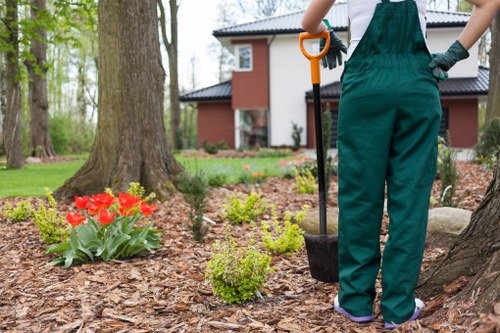 When all of these elements come together, the result is a landscape that feels both attractive and meaningful. The garden becomes more than an external area around the house; it becomes a place where routine, relaxation, and visual pleasure meet. With the right balance of planning, planting, and practical structure, Shortlands landscaping can deliver spaces that are elegant, adaptable, and rewarding across every season. A thoughtfully designed garden does not simply decorate a property. It improves how the property is experienced every day, offering beauty, comfort, and lasting value in one complete outdoor setting.