Garden design and build in Shortlands
If you are looking for garden design and build in Shortlands, you are probably ready to turn an outdoor space into something that feels more usable, attractive, and suited to everyday life. A well-planned garden can do far more than look neat. It can create extra room for dining, play, relaxing, growing plants, and moving easily between the house and the outdoors. For many Shortlands homeowners and property managers, the challenge is not whether the garden has potential, but how to shape it properly for the space, the setting, and the way it is used.
Shortlands has a mix of homes and property styles, from family houses with sloping or enclosed back gardens to larger plots that need structure, alongside smaller outdoor spaces that need clever planning. Some gardens here benefit from mature trees and established planting, while others need a full reset after years of patchy use, poor drainage, or tired layouts. A local garden design and build service can help bring clarity to the process, combining design thinking with practical construction so the finished result feels joined-up rather than pieced together.
Whether you want a complete transformation or a carefully phased project, the right approach starts with understanding your space, your priorities, and the conditions on site. That might mean dealing with awkward access, managing parking for materials, improving privacy, or creating a more family-friendly layout. It may also mean respecting existing features that already suit the garden and building around them in a smarter way.

Why garden design and build works well for Shortlands properties
Shortlands gardens often benefit from a tailored, rather than generic, approach. Many local properties have defined boundaries, neighbouring homes nearby, and a mix of sun and shade that changes through the year. That means a design that works on paper needs to work in real life too. A garden design and build service combines creative planning with skilled construction, so the ideas, materials, planting, and finishing details all support the same outcome.
For a family home, that could mean turning an underused lawn into a practical space with seating, storage, planting, and a safe play area. For a rental property or commercial premises, the aim might be durability, tidy presentation, and straightforward maintenance. In both cases, the benefit of using one joined-up service is consistency. The layout, materials, lighting, and planting are considered together, which usually leads to a better result and fewer compromises along the way.
Local knowledge also matters. A team familiar with Shortlands and nearby areas such as Bromley, Beckenham, West Wickham, and Keston is more likely to understand the types of access issues, soil conditions, boundaries, and garden sizes commonly encountered across the area. That can make a real difference when planning deliveries, removal of waste, and the sequence of work needed to keep the job moving smoothly.
What makes a local team useful?
Choosing a local team for garden design and build in Shortlands can make the project easier from the very beginning. Local work often involves practical considerations such as narrow side access, shared driveways, limited on-street parking, and the need to protect nearby paths or internal access routes while materials are brought in and out. A local crew is used to working around those issues and can plan the build accordingly.
There is also value in choosing people who understand the look and feel of the area. Some Shortlands gardens suit a classic, planted style with softer edges and traditional materials. Others may call for a contemporary layout with clean lines, porcelain paving, timber features, and integrated lighting. A local service can help strike the right balance between the property’s character and the client’s personal taste.
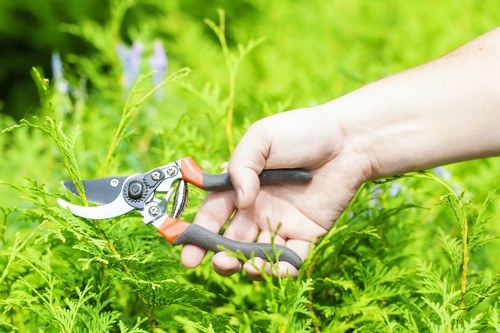
Our approach to garden design and build
A successful project normally begins with listening. Before any digging starts, it helps to talk through how you want the garden to function now and how you want it to feel in future. Do you need a space for entertaining, a low-maintenance outdoor area, a safer surface for children, better drainage, or more structure around planting? These questions shape the design and prevent the common mistake of creating a space that looks good but does not suit daily life.
From there, the garden can be developed in stages. The design process may include a site visit, measurements, photos, and a discussion of existing features worth keeping. On larger or more complex projects, concept drawings or layout ideas may be used to show how different zones could work together. On smaller gardens, a practical plan can still make a huge difference by improving flow, making better use of the perimeter, and defining the main focal points.
Once the design direction is agreed, the build phase brings it to life. That may involve groundworks, paving, decking, sleeper walls, turfing, planting beds, fencing, drainage improvements, steps, edging, lighting, and finishing details. The key is making sure each element supports the final design rather than being added as an afterthought.
Typical stages of the service
- Initial discussion about your goals, budget range, and preferred style.
- Site assessment to review size, access, levels, drainage, and existing features.
- Design ideas and layout planning based on how the space will be used.
- Material selection for paving, walls, edging, timber, gravel, planting, and finishes.
- Ground preparation and construction work carried out in a logical sequence.
- Planting, soft landscaping, and final detailing to complete the scheme.
Every project is different, so the exact process may vary depending on the condition of the garden and the complexity of the build. A small courtyard may need precise space planning and careful material choice. A larger family garden may require drainage management, level changes, and several functional zones. Either way, the aim is to create a result that feels practical, attractive, and genuinely suited to the home.

What is included in a garden design and build project?
People searching for garden design and build in Shortlands often want a clear idea of what is actually included. While every project is different, a typical service can cover both the creative and construction sides of the work. That means the same team can help with the shape of the garden, the materials used, and the final finishing touches that make the space feel complete.
Design elements may include layout planning, zoning, screening for privacy, circulation paths, planting ideas, and advice on the right materials for the style of home. For some clients, the priority is a family-friendly space with lawn and planting. For others, it may be a smart entertaining area with seating, feature lighting, and a strong visual structure. Good design takes all of that into account before the build begins.
Build and landscaping elements often include paving, patios, decking, retaining walls, raised beds, turfing, artificial grass, fencing, steps, drainage, decorative gravel, border preparation, and garden structures. Depending on the project, it may also involve clearing old features, removing unwanted concrete or overgrown planting, and reshaping the plot so the new design can be installed properly.
Common customer priorities
- Creating a garden that looks good all year, not just in summer.
- Reducing maintenance without making the space feel bare.
- Improving drainage in areas that hold water after rain.
- Designing a safer, more practical family garden.
- Making a small garden feel larger and better organised.
- Adding structure, privacy, and a stronger connection between house and garden.
It is also worth thinking beyond the first season after completion. A well-planned garden should continue to work as planting grows and materials settle into place. That is why long-term usability matters just as much as appearance on day one. In a place like Shortlands, where many homes are lived in for years and outdoor spaces are expected to serve changing needs, that forward-looking approach is especially valuable.
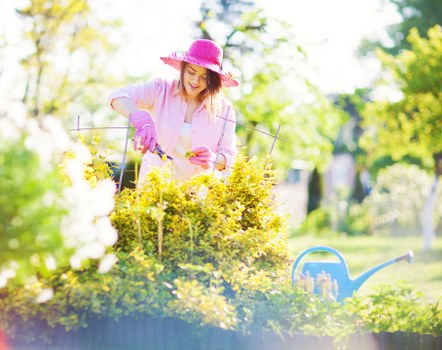
Garden styles that suit homes in Shortlands
There is no single style that suits every property, and that is part of the appeal of garden design and build. A garden should reflect the home it belongs to, the people using it, and the amount of time available for upkeep. In Shortlands, many clients want a garden that feels smart but still relaxed, refined but not overcomplicated. That can be achieved in several different ways.
A traditional family garden may use lawn, mixed borders, natural stone, and timber elements to create warmth and softness. A modern low-maintenance garden may rely on clean paving, raised beds, architectural planting, and crisp edging to keep the space tidy with less day-to-day work. For smaller plots, a carefully designed courtyard garden can make a compact space feel inviting through layered planting, clever lighting, and well-proportioned surfaces.
Commercial and multi-occupancy properties may need a different approach again. The focus might be on robust materials, safe access, attractive communal areas, and plant selection that remains presentable with limited maintenance. A local design and build team can adapt the plan to suit each setting rather than forcing one style onto every site.
Features often requested by local customers
- Patios for outdoor dining and entertaining
- Raised beds for planting and structure
- Pathways that improve movement through the garden
- Seating areas tucked into sunny or private spots
- Garden lighting for evening use and visual impact
- Screening and fencing for privacy from neighbouring properties
- Lawns or lawn alternatives suited to family use
- Water management solutions for heavy or uneven ground
Style should never come at the expense of practicality. The most successful gardens are usually the ones where beauty and function support each other. That is why the build stage matters so much: the best design only works if the construction is solid, accurate, and finished with care.

Practical issues to consider before work starts
Before starting a new garden project, it helps to think about the practical details that can affect time, access, and the overall sequence of work. In Shortlands, where homes can sit on established residential streets and many gardens are enclosed or split-level, access planning is often an important part of the job. Materials may need to be carried through side access, along narrow routes, or through carefully protected areas. Waste removal also needs to be organised so the site remains workable throughout the project.
Drainage is another common consideration. If a garden sits on a slope, has compacted soil, or regularly becomes waterlogged, the design should address that early. It may be possible to improve the gradient, install soakaway solutions, adjust levels, or use permeable materials in the right places. These technical details may not be the most visible part of the finished garden, but they often have the greatest impact on how well the space performs over time.
Neighbouring boundaries, trees, fences, and existing hard landscaping can also influence the plan. A good local contractor will look at how the new garden relates to the property and the surrounding area, rather than treating it like an empty canvas. That helps avoid surprises and supports a more reliable result.
Preparation checklist for homeowners
- Decide how you want to use the garden most often.
- Think about whether you want low maintenance or more planting.
- Make a note of problem areas such as pooling water or uneven ground.
- Consider privacy, screening, and neighbour boundaries.
- Check whether access points are clear for tools and materials.
- Identify any features you want to keep, such as mature plants or trees.
- Be ready to discuss your preferred materials and style references.
For many clients, the hardest part is simply deciding where to begin. That is why a local garden design and build service can be so helpful. It turns a broad idea into a workable plan, then builds that plan in a structured way. If you are thinking about changing your outdoor space, contact us today to discuss what is possible for your garden in Shortlands.
Pricing factors and what affects the scope of work
It is natural to want a clear idea of cost before committing to a project, but garden work varies a great deal from one property to the next. Rather than focusing on one fixed figure, it is more useful to understand the factors that shape the scope of a garden design and build in Shortlands project. This helps you compare options sensibly and choose a solution that fits the property as well as your priorities.
One of the biggest factors is the size and condition of the space. A garden that is already level and partially usable will usually be simpler to work with than one that needs clearance, excavation, drainage correction, or multiple retaining features. Material choice also matters. Some surfaces, structures, and finishes require more labour, more preparation, or more detailed installation than others. A simple lawn refresh is not the same as a full redesign with paving, steps, walls, lighting, and planting.
Access can also affect the job. In some Shortlands properties, getting materials in and waste out is straightforward. In others, the team may need to work more carefully around side paths, gates, neighbouring boundaries, or limited parking. All of this influences planning and labour time. If you are requesting a quote, it helps to be clear about your goals so the assessment can reflect the actual work needed rather than a rough guess.
Factors that commonly influence the project
- Garden size and layout complexity
- Site clearance and removal of existing hard landscaping
- Ground levels, drainage, and soil conditions
- Choice of paving, decking, timber, gravel, or other materials
- Planting density and the level of soft landscaping required
- Access for tools, machinery, and material deliveries
- Design features such as steps, retaining walls, or lighting
For residential customers, the most important question is often not “what is the cheapest option?” but “what will give us the best long-term value?” A garden that lasts, functions well, and remains enjoyable to use is usually the better investment. For commercial customers, the focus may be on appearance, durability, and keeping maintenance manageable over time.
Why choose a local company for Shortlands garden projects?
Using a local company for garden design and build can make communication easier and the project more responsive to site conditions. Local teams are often more familiar with the practical realities of working in suburban streets, family neighbourhoods, and established residential plots. They are also more likely to recognise how the seasons affect planting, light, and drainage in the area.
Another advantage is flexibility. A local service can often respond more quickly to site visits, design adjustments, and questions during the build. That matters because outdoor projects sometimes evolve once the work begins. A hidden root, a change in ground levels, or an opportunity to improve the layout may become apparent after old features are removed. Working with a nearby team can make those decisions easier to manage.
Many customers in Shortlands also want a garden that suits the wider character of the neighbourhood. Some properties benefit from soft landscaping that blends with mature surroundings, while others need a more contemporary finish that lifts the appearance of the whole home. A local team can help make those choices with the property and the setting in mind.
Local areas commonly covered
Garden design and build projects are often carried out across Shortlands and nearby locations including Bromley, Beckenham, West Wickham, Keston, Crystal Palace, and other surrounding residential areas. This can be useful for homeowners, landlords, and businesses looking for one service provider who understands the local mix of garden sizes, access arrangements, and property styles.
If you manage more than one outdoor space, or if you are planning improvements across several properties, it can be helpful to work with a team that already knows the area and the likely site conditions. That can save time in the planning stage and support a smoother build.
How to choose the right design for your outdoor space
When deciding on the right design, start with the purpose of the garden rather than the materials. A good layout should answer questions like: where will people sit, how will they move through the space, what needs screening, and which areas need to be low maintenance? Once those needs are clear, the visual style can follow naturally.
For some gardens, the priority is to create a stronger connection between the house and the outdoors. That may mean improving the step-down from doors, widening the main path, or introducing a patio that sits comfortably alongside the interior living area. For others, the goal is more privacy and a calmer atmosphere. In those cases, a planting-heavy design with layered borders and strategic screening may be the best option.
It is also worth thinking about how the garden will age. Materials should suit the level of use, the local weather, and the type of upkeep you are prepared to do. A design that looks stunning but needs constant attention may not be right for every home. Good garden design and build is about making sensible choices that still feel attractive and personal.
Questions to ask before you commit
- How will the garden be used in everyday life?
- What maintenance level do I want after the work is done?
- Are there any drainage or access issues to solve?
- Which existing features are worth keeping?
- Do I want a classic, modern, or mixed style?
- Will the layout still work as my needs change?
If you are unsure where to begin, a site visit and conversation about priorities can be the most valuable first step. It is much easier to shape the right plan once those basic questions have been answered clearly.
FAQs about garden design and build in Shortlands
Do I need a full redesign, or can I improve part of the garden?
You do not always need a full transformation. Many projects involve improving one part of the garden, such as a patio, border layout, or access path, while keeping the rest of the space intact. Partial redesigns can be a smart way to improve usability without starting from scratch.
How long does a project usually take?
Timeframes depend on the size of the garden, the amount of groundwork required, material availability, and how detailed the design is. A small, straightforward garden may take less time than a larger project with drainage work, steps, walls, and planting. A clearer brief usually leads to a more accurate schedule.
Can you work with awkward access?
Yes, many Shortlands properties have access limitations of some kind, whether that is narrow side entrances, restricted parking, or difficult routes for materials. This is something to raise early so the build can be planned sensibly and safely.
What if I already have some plants or features I want to keep?
That is often possible. Existing trees, shrubs, and structural elements can sometimes be incorporated into the new design. In fact, keeping the right mature features can give a new garden instant character and help control costs where suitable.
Do you work on commercial outdoor spaces as well as homes?
Yes. Commercial customers may need tidy, durable, and easy-to-manage outdoor areas that create a good impression while remaining practical. The design and build approach can be adapted for shared spaces, entrances, courtyards, and smaller business grounds.
How do I start if I only have a rough idea?
That is completely normal. Many clients begin with a feeling that the garden is underused, messy, or difficult to maintain, but have not yet settled on the details. A conversation about the space, your lifestyle, and your priorities is enough to begin shaping a plan.
Book a garden project that fits your home and lifestyle
If your outdoor space in Shortlands is no longer working as well as it should, now is a good time to explore what can be improved. A thoughtful garden design and build project can make the space more usable, more attractive, and easier to enjoy throughout the year. Whether you are planning a family-friendly layout, a calm retreat, a smart entertaining area, or a practical commercial outdoor space, the right approach will always begin with your needs.
Working with a local team gives you the benefit of practical knowledge, responsive planning, and a result shaped around the realities of the site. From layout ideas to construction and planting, the process should feel clear and manageable. If you are ready to move forward, request a free quote or book your service now and take the first step toward a garden that works properly for your home.
Contact us today to discuss your ideas for garden design and build in Shortlands. The sooner the planning begins, the sooner your outdoor space can start becoming the place you actually want to use.