Garden drainage in Shortlands
If your lawn stays soggy after rain, your patio turns slippery, or planted borders keep sitting under water, garden drainage in Shortlands may be the practical fix your property needs. Local gardens here can face a mix of clay-heavy soil, sloping plots, older boundary lines, and patchwork landscaping from years of extensions or alterations. That combination can leave water with nowhere sensible to go. A well-planned drainage solution helps your outdoor space dry out properly, protects planting, and makes the garden more usable throughout the year.
We work with homeowners, landlords, managing agents, and commercial property owners across Shortlands who want water to move away from the areas where it causes damage or disruption. Whether the issue is standing water near a shed, pooling along a path, damp patches around a rear extension, or over-saturation in turf, the right drainage approach depends on the site. Some gardens need a simple channel solution, while others need soakaway work, pipe rerouting, or a fuller redesign of how surface water is managed.
Shortlands properties vary quite a bit, from family houses with long rear gardens to compact plots, shared access spaces, and outdoor areas that have been surfaced for parking or entertaining. That means a one-size-fits-all fix rarely works well. A local team can assess the slope, soil, hard landscaping, and existing water movement before recommending a realistic solution that suits the property and the way it is used.
Why drainage problems are common in local gardens
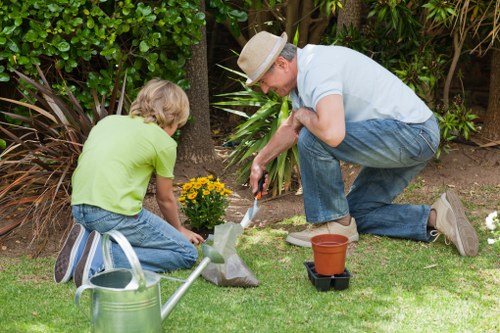
Many garden drainage problems start quietly. A patch of water appears after heavy rain and clears slowly at first. Then it starts lasting longer, spreading wider, or leaving moss and algae behind on paving. In Shortlands, these problems can be more noticeable because some gardens sit on heavier ground or have compacted soil from years of foot traffic, pets, or repeated landscaping work. Once the top layer of soil becomes compacted, rainwater struggles to infiltrate and begins pooling on the surface.
Another common factor is how outdoor spaces have changed over time. A garden may have had lawn areas reduced, new decking added, or raised beds installed without any thought for runoff. Paths, patios, artificial turf, and garden structures can all alter the way water behaves. If levels were not adjusted correctly when the garden was developed, water may naturally flow toward the house, a neighbour’s boundary, or a low point that never fully drains.
Older homes and later extensions can also create drainage challenges. Water may end up trapped between hard surfaces, or it may run off a roof or gutter in a way that overwhelms the garden soil below. For properties near central Shortlands, Bromley, Beckenham, or nearby residential streets, it is common for a garden to have been adapted several times, which can leave hidden issues beneath the visible surface. Identifying the cause properly is the first step to a lasting fix.
Signs you may need garden drainage work

Some drainage issues are obvious, while others only become noticeable during wetter months. If you are not sure whether your garden needs professional attention, there are several signs worth looking for. Standing water that remains after rainfall is one of the clearest indicators. If puddles appear in the same place every time it rains, the ground may be holding water rather than letting it disperse naturally.
Other signs include spongy turf, muddy areas that never properly dry, foul smells from stagnant water, or plants that repeatedly fail despite regular care. In some cases, you may see water creeping toward the house wall, the base of a fence, or steps leading to a side return. That should be taken seriously, especially where surface water could affect foundations, external finishes, or internal damp issues.
Watch for slippery paving, algae growth, sinking soil, or areas where gravel disappears into the ground. These can all suggest poor drainage or soil instability. If you are a landlord or managing a commercial site, persistent waterlogging can also create a safety issue for tenants, staff, and visitors. Drainage work is not just about convenience; it is often about protecting the condition and usability of the property.
Garden drainage solutions we can provide

Different gardens need different solutions, and the right answer depends on how water moves across the site. In some Shortlands gardens, a modest adjustment to levels or a more suitable soil structure can improve matters dramatically. In others, installing dedicated drainage features is the most effective way to handle runoff from rainfall, roof water, or hard landscaping.
Common solutions may include French drains, soakaways, channel drains, land drains, perforated pipe systems, surface water redirection, and excavation of compacted soil. If the problem is caused by a poor slope, regrading the garden can help send water to a more suitable outlet. If the issue is around a patio or paved area, adding a discreet channel drain may stop water from lingering on the surface and reduce slipperiness.
In some cases, combining several techniques gives the best outcome. For example, a lawn may benefit from improved subsoil drainage, while a patio or driveway edge needs a linear drain to capture runoff. The right mix depends on your garden’s layout, the existing soil, and the amount of water your property receives. A local team can examine these factors and suggest a plan that fits your space instead of simply adding drainage features without a clear purpose.
How our service works
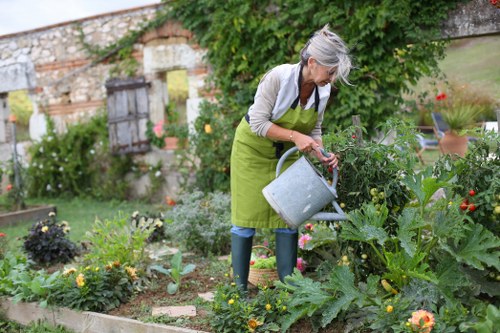
Garden drainage work usually begins with a site assessment. This allows the drainage route, soil condition, existing landscaping, and problem areas to be reviewed properly. We look at where the water is gathering, how fast it clears, whether it is coming from roofs or hard surfaces, and whether there are nearby obstructions such as mature trees, sheds, retaining walls, or enclosed side passages.
After that, a practical recommendation can be made. Some clients need a simple targeted repair, while others want a wider solution that supports future landscaping plans. We explain what is likely to be involved, what access may be needed, and how the work can be scheduled to minimise disruption. If the garden is small or access is tight, this matters even more, because equipment, waste removal, and material delivery all need to be planned carefully.
Once the work starts, the team typically prepares the area, excavates where necessary, installs the drainage components, checks levels, and tests that water is moving as intended. The finished surface may then be reinstated, whether that means soil, turf, gravel, paving, or planting areas. Clear communication throughout the process helps you understand what is happening and what the finished result should achieve.
What is included in a typical drainage project
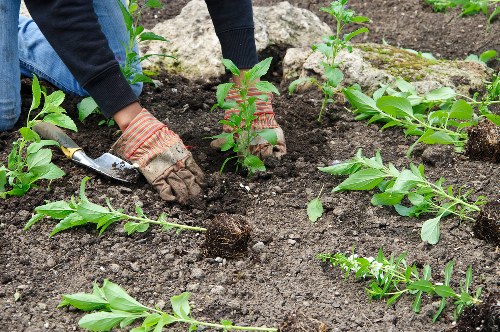
Every property is different, but many garden drainage projects in Shortlands involve a similar set of practical steps. These are intended to address the cause of poor drainage, not just the visible symptoms. If you are planning to request a quote, it helps to know what a drainage service may include.
- Initial inspection of the garden and problem areas
- Assessment of soil type, slope, and water flow
- Advice on suitable drainage methods
- Excavation or preparation of the affected area
- Installation of drains, pipes, channels, or soakaway features where appropriate
- Connection or redirection of surface water where needed
- Backfilling, reinstatement, and tidying of the work area
- Final checks to make sure water is moving correctly
Some jobs are more straightforward than others. If the garden only needs a small amount of improvement, the work may be relatively contained. If the issue has developed over time, the service may also involve removing compacted ground, reshaping borders, or correcting old landscaping mistakes that are holding water in the wrong place.
It is also important to note that not all water problems are identical. For example, a wet patch near a rear wall may not be a simple lawn issue, and a flooded side return may be caused by a roof runoff problem rather than the soil itself. Good drainage work starts with finding the right cause.
Garden drainage in Shortlands for homes and businesses
Local drainage needs are not limited to private homes. Shortlands also has rental properties, shared gardens, office premises, small commercial sites, and mixed-use spaces that can all suffer when water is not managed properly. A waterlogged garden at a family home can be frustrating, but standing water near a business entrance, communal area, or staff walkway can also create a poor first impression and a safety concern.
For residential customers, the main aim is often to make the garden usable again. Families may want children and pets to use the lawn without mud, or they may simply want to enjoy the space without worrying about soggy patches after every shower. Landlords may need to reduce repeated complaints about standing water, and property managers may need a durable solution that lowers maintenance and protects the appearance of the exterior space.
For commercial customers, a drainage issue can affect access, cleaning routines, and how safely the grounds can be used. A professional approach takes the property’s use into account, along with any limitations on working hours, vehicle access, storage space, or shared entrances. That is one reason a local team is so useful: it can plan around the realities of the site, not just the technical problem.
Local property types and access challenges
Shortlands has a mixture of property styles, and that variety has a direct impact on drainage work. Many plots have rear gardens with narrow side access, which can make excavation and material removal more awkward. Some homes have mature planting, old paving, raised patios, retaining walls, or landscaped sections that make it harder to follow a simple straight-line solution. Other properties may have long, sloping gardens where water accelerates downhill and collects at the bottom.
Access is often one of the most important practical considerations. If tools, aggregates, and drainage materials need to be moved through a side passage, gate, or shared walkway, planning becomes essential. In more enclosed gardens, low-disruption methods may be preferable where possible. In properties close to busy roads or with limited parking, vehicle access for loading and unloading can affect scheduling and the overall process.
These are the kinds of details a local contractor should take seriously. The most effective solution is not always the most elaborate one; it is the one that fits the property, the access, and the owner’s long-term plans. If you are comparing options, ask how the proposed drainage work will suit your garden layout, not just how it will look on paper.
Why choose a local company for drainage work?
When dealing with garden drainage in Shortlands, local knowledge matters. Someone who works in the area regularly is more likely to understand the common soil conditions, the challenges of older boundaries, and the practical issues caused by compact urban plots. That experience can save time during diagnosis and help avoid trial-and-error solutions that do not last.
A local company can also respond more realistically to site conditions. If the garden sits close to Bromley, Beckenham, or surrounding neighbourhoods, the team may already know the type of access constraints, typical rainfall impact, and common landscaping layouts seen in the area. That kind of familiarity is useful when deciding between a drain, soakaway, regrading, or a more tailored combination of methods.
There is also a customer service advantage. Local teams often work with homeowners and property managers who need practical answers, clear communication, and sensible scheduling. If you want a service that feels organised and attentive from the start, choosing someone familiar with the area is a good place to begin. It helps when the people carrying out the work understand both the technical side and the local setting.
What affects the price of garden drainage work?
It is difficult to quote a fixed figure for drainage work without seeing the site, because several factors influence the amount of labour, materials, and time involved. The size of the garden is one factor, but it is far from the only one. A compact plot with a simple drainage issue may still require careful excavation if access is awkward or existing landscaping needs protecting. A larger garden may be easier to reach but more involved to regrade or fit with a full drainage system.
Other cost factors can include the type of drainage solution required, the depth of excavation, how much material needs to be removed, whether old paving or turf has to be lifted and reinstated, and whether the area needs additional preparation before the new system can be installed. If the garden has mature trees, hard roots, buried obstructions, or previous DIY work below the surface, the job may become more complex.
Because of this, a proper site visit is the best way to understand likely costs. A clear assessment allows you to compare options sensibly and choose a solution that balances effectiveness with practicality. When you request a free quote, it is helpful to share photos, describe where the water collects, and mention any recent landscaping work or changes to the property.
Preparation checklist before the team arrives
Preparing the space before drainage work begins can make the process smoother and reduce delays. A few simple steps can help the team access the garden safely and work more efficiently. You do not usually need to carry out major preparation yourself, but a bit of organisation goes a long way.
- Clear the area of movable furniture, pots, toys, and ornaments
- Make sure gates and side access routes are unlocked and usable
- Tell the team about buried cables, pipes, or irrigation lines if you know their locations
- Remove valuable items from sheds or nearby structures if excavation may affect them
- Point out the worst standing water areas after rain if possible
- Let neighbours know if access or parking may be temporarily affected
If you are not sure whether something needs to be moved, ask before the work starts. That is especially sensible in gardens with delicate planting, decorative surfaces, or recently completed landscaping. For commercial premises, it can also help to identify any opening hours, loading restrictions, or shared access arrangements before the team arrives.
How drainage work can improve the rest of your garden
Good drainage does more than remove puddles. It can change how the whole outdoor space feels and functions. Lawns recover better, borders are easier to plant, patios become safer to walk on, and garden furniture is less likely to sit in damp conditions for long periods. In practical terms, this means less day-to-day frustration and fewer ongoing maintenance problems.
For gardeners, the benefits can be significant. Plants that dislike wet feet often perform better once excess water is managed properly. Soil structure may improve over time if it is no longer becoming repeatedly saturated and compacted. If your garden has previously felt unusable for part of the year, drainage work can help return it to a space you actually want to spend time in.
Families, landlords, and business owners all benefit when outdoor areas are safer, cleaner, and more reliable after rainfall. Whether the aim is to protect a lawn, preserve a paved area, or stop water creeping toward the property, the right drainage system can make a noticeable difference to everyday use.
Common customer questions about garden drainage in Shortlands
How do I know whether I need drainage or just better lawn care?
If water stays on the surface for a long time, returns in the same place after rain, or creates mud that never seems to dry out, the issue is often deeper than routine lawn care. A healthy lawn still needs the ground beneath it to drain properly. If the problem is due to compacted soil or a poor slope, drainage work may be the most effective solution.
Can drainage be installed without ruining the look of the garden?
In many cases, yes. A lot depends on the chosen system and the layout of the property. Some drainage features can be hidden below the surface, while others can be integrated neatly into hard landscaping. A good installation should aim to solve the problem while preserving the appearance and use of the garden as much as possible.
Will my garden need to be dug up?
That depends on the solution. Some jobs involve limited excavation in one area, while others require a more substantial approach. The amount of digging depends on the depth of the drainage needed, the soil conditions, and whether old features have to be altered or removed. It is usually best to discuss this during the site visit so you know what to expect.
How long does the work take?
Timeframes vary according to the size and complexity of the project. A straightforward localised issue may be resolved relatively quickly, while a more involved drainage installation may take longer. Access, weather, and reinstatement work can all affect the schedule.
Is drainage work worthwhile for a rental or commercial property?
Often, yes. Persistent water problems can lead to recurring complaints, higher maintenance demands, and a less professional appearance. Addressing the issue properly can protect the outdoor area and make it more usable for tenants, customers, or staff.
Areas covered around Shortlands
Garden drainage work is frequently carried out across Shortlands and the surrounding neighbourhoods where outdoor water management is just as important. Local customers often need help in nearby residential streets, along routes toward Bromley, Beckenham, and neighbouring parts of south-east London, as well as in properties with shared access or varied garden layouts. Whether the property is close to transport links, on a quieter side road, or part of a managed development, the same attention to detail applies.
If you are unsure whether your property falls within the service area, it is usually best to ask when you enquire. Local teams can often help with a broad range of nearby locations, especially where similar garden conditions and access challenges are involved. The key is to have someone who can reach the site easily and understands the types of drainage problems common in the wider Shortlands area.
Choosing the right time to book
Drainage issues tend to become more obvious during wet periods, but it is often worth acting before the next heavy spell of rain makes the problem worse. If you already know that the lawn is waterlogged, the patio is slippery, or the garden never dries out properly, waiting can allow the issue to spread. Mud can shift, paving can become more affected, and the surrounding landscaping may start to suffer.
Early action can also make planning easier. If the work is done before peak gardening season or before an outdoor area is due to be used more often, there is less disruption to everyday life. For landlords and commercial property owners, this can also help reduce complaints and avoid avoidable downtime.
Contact us today to discuss your garden drainage in Shortlands, request a free quote, or book your service now. A short conversation and a site assessment are often enough to identify the best next step.
Final thoughts
Waterlogged gardens do not usually improve by themselves. Whether the problem is caused by compacted soil, poor levels, runoff from hard surfaces, or an old landscaping layout that no longer works, the right drainage solution can transform the space. In Shortlands, where property styles and access conditions vary from one street to the next, a local approach is especially valuable.
From family gardens and rental properties to commercial outdoor areas, practical drainage work helps protect the site, improve safety, and make the space usable again. If you are dealing with standing water, slow-drying turf, or repeated puddling after rain, now is a sensible time to arrange an assessment. Request a free quote and take the first step toward a drier, more usable garden.