Soft landscaping in Shortlands
Creating attractive outdoor spaces that suit Shortlands homes and businesses
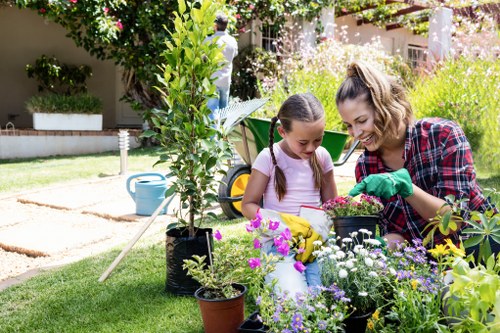
Soft landscaping in Shortlands is about more than planting a few shrubs and laying fresh turf. It is the process of shaping an outdoor space so it feels balanced, welcoming, and practical for everyday use. In a place like Shortlands, where you’ll find a mix of period homes, family gardens, small commercial premises, and side-access plots, the right planting and surface treatment can make a noticeable difference to how a property looks and works.
Whether you are improving a front garden that needs better kerb appeal, refreshing a tired back garden, or preparing a commercial entrance that should feel well cared for, soft landscaping offers flexible solutions. From new lawns and border planting to mulch, soil improvement, hedge shaping, and seasonal replanting, the work can be tailored to your space and how you use it.
For local customers, the value of working with a team familiar with the area is simple: they understand the types of gardens common around Shortlands, the access restrictions on many roads, and the practical realities of working around neighbouring properties, narrow side returns, and limited parking. That local knowledge helps the work run more smoothly and can reduce delays, disruption, and unnecessary mess.
What soft landscaping includes

Soft landscaping covers all the living and natural elements used to shape outdoor spaces. Unlike hard landscaping, which focuses on patios, walls, paving, and structural features, soft landscaping is the part that brings colour, texture, and seasonal change. It is often the final layer that makes a garden feel finished and lived in.
Typical soft landscaping services in Shortlands may include lawn installation, turf replacement, seed sowing, planting beds, shrub selection, soil preparation, edging, bark or decorative mulch, hedging, and general planting design. In many gardens, it also includes the removal of old planting, improvement of poor-quality ground, and shaping areas so they drain properly and stay healthy through the year.
In practical terms, good soft landscaping supports the way you want to use your property. If you want a low-maintenance family garden, the planting can be chosen to keep upkeep manageable. If you need a front garden that looks smart all year round, the layout can focus on evergreen structure, tidy borders, and resilient planting. If you are preparing a rental property or commercial frontage, the emphasis may be on durability, easy care, and consistent presentation.
Why soft landscaping matters in Shortlands
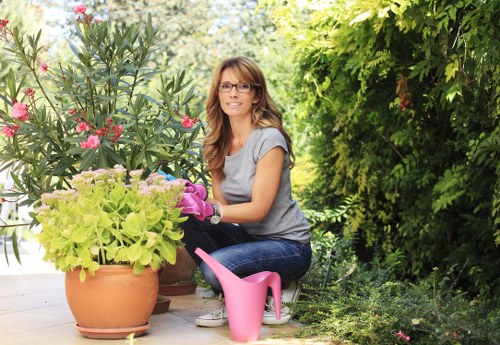
Shortlands has a distinctive residential feel, with streets that include a range of house styles and garden sizes. Some properties have generous rear gardens, while others have compact plots, split-level spaces, or awkward side access. Because of that, a one-size-fits-all approach rarely works well. The best results come from planting and garden treatment that suit the site, the soil, and the way the space is actually used.
Local weather patterns and ground conditions also matter. Shaded gardens, mature tree cover, and compacted soil are common issues that can affect how well lawns establish and how plants perform. A professional soft landscaping team can assess these conditions and recommend suitable plants, soil improvements, and maintenance steps so the work lasts beyond the initial installation.
For homeowners, that may mean choosing plants that cope with partial shade, selecting turf that can handle family use, or creating borders that add structure without becoming difficult to maintain. For businesses, it may mean reliable planting schemes that help an entrance look neat and inviting with minimal ongoing attention. This is where local experience is especially useful.
Soft landscaping services available for local properties
Lawn care, turfing, and grass establishment

A healthy lawn remains one of the most requested features in soft landscaping. If your existing grass is patchy, mossy, uneven, or simply no longer suits the garden, turfing or reseeding can transform the space. Proper preparation is essential, including clearing old growth, levelling the ground, improving the topsoil, and making sure the surface is ready for establishment.
In Shortlands, many gardens benefit from tailored lawn solutions rather than a quick fix. Shaded plots may need a more tolerant grass mix, while family gardens may need stronger wear resistance. If drainage has been a problem, the lawn area may need contouring or soil improvement before any turf is laid. A careful approach helps prevent common issues such as waterlogging, thin growth, and uneven settling.
Once installed, fresh turf needs the right aftercare. That includes watering, avoiding early overuse, and monitoring growth over the first few weeks. For customers who want a garden ready for children, pets, or regular entertaining, this stage is just as important as the installation itself.
Planting schemes for borders, beds, and planters
Planting is often what gives a garden personality. Well-chosen shrubs, perennials, grasses, and seasonal plants can soften hard edges, bring colour through the year, and create privacy without making a garden feel enclosed. In small or medium-sized Shortlands gardens, planting can also make the space feel larger by guiding the eye and balancing proportion.
Good planting design takes into account sun exposure, soil type, moisture levels, and maintenance preferences. Some customers want a bold, colourful display with seasonal variety. Others prefer structured evergreen planting that stays neat and easy to manage. The right mix depends on the character of your property and how much time you want to spend on upkeep.
For front gardens, planting needs to be attractive from the street while still allowing access and visibility. For rear gardens, it may be more about creating screening, relaxing corners, or a child-friendly layout. Planting can be used to frame paths, define seating areas, and create a sense of flow between different parts of the garden.
Soil improvement, mulching, and border finishing
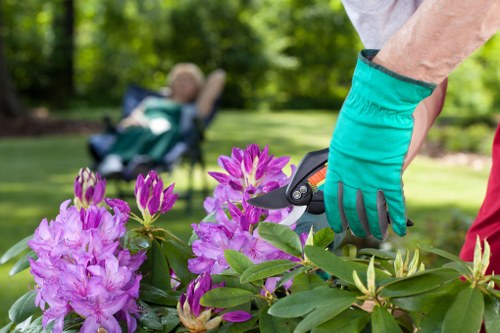
Even the best planting will struggle if the soil underneath is poor. That is why soil improvement is often one of the most valuable parts of a soft landscaping project. Adding organic matter, loosening compacted ground, and improving drainage can make a dramatic difference to how plants establish and how healthy they remain over time.
Mulching is another important finishing touch. It helps suppress weeds, retain moisture, and create a tidy appearance around planted areas. In a busy household or a commercial setting, mulch can reduce maintenance while improving the look of borders and beds. Bark, composted material, and decorative options can all be used depending on the style of the space.
Edging is also worth considering. Clean edges between lawn, beds, paving, and paths make a garden easier to manage and visually more defined. Whether the property is a traditional detached house or a modern terrace, border finishing can bring a more polished appearance and help keep the planting structure clear.
Hedging, screening, and privacy planting
Privacy is a common concern in residential areas, particularly where gardens back onto neighbours or are overlooked from upper floors. Hedging and screening plants offer a natural way to improve privacy without resorting to solid barriers everywhere. They also soften the boundaries of a space and provide valuable habitat for birds and insects.
Depending on the available space, planting may be kept compact or allowed to grow into a fuller screen. The key is selecting species that suit the size of the garden and the maintenance level you are comfortable with. In many cases, the best result comes from combining hedging with other planting layers, rather than relying on one feature alone.
How the service works from first visit to completion
Customers often want to know what happens once they request soft landscaping help. The process should be straightforward and transparent. A local team will normally begin with a site visit or discussion about your garden, your goals, and any issues you want to solve. This may include poor lawn condition, unattractive planting, drainage concerns, or a layout that simply does not work well anymore.
After reviewing the space, the team can suggest a practical plan. That may include recommendations for plant selection, ground preparation, turfing, bed reshaping, or other improvements that suit the site. If access is limited, if materials need to be moved through narrow side passages, or if parking is constrained, these factors should be considered before work begins so the project can be scheduled sensibly.
Once the plan is agreed, the work usually follows a clear sequence: preparation, installation, tidy-up, and advice for aftercare. This stage matters because soft landscaping only looks its best when the ground has been properly prepared and the planting is positioned with care. Good communication throughout also helps ensure the finished space matches your expectations.
Why choose a local soft landscaping team in Shortlands
There are real advantages to choosing a local company for soft landscaping in Shortlands. A team that regularly works in the area is more likely to understand the practical layout of local streets, the garden styles that are common here, and the access problems that can affect a project. That can save time and avoid unnecessary complications on site.
Local knowledge is especially helpful for properties with restricted side access, rear gardens that can only be reached through the house, or shared driveways where careful planning is required. It can also be useful for commercial premises, where work may need to be carried out with minimal disruption to staff, visitors, or customers. A nearby team is generally better placed to arrange timings, deliveries, and follow-up visits in a convenient way.
Another benefit is the ability to recommend plants and finishes that suit the immediate environment. Gardens around Shortlands may deal with shade from mature trees, varying soil quality, or a desire for neat, low-maintenance presentation. A local service provider can build a planting plan around those realities rather than relying on generic suggestions that may not perform well in your setting.
Residential soft landscaping for family gardens, front gardens, and townhouses
Homeowners often look for soft landscaping that improves everyday enjoyment as well as appearance. In family gardens, that might mean creating a lawn for play, adding durable borders that won’t become overgrown too quickly, or softening a new patio with layered planting. In smaller front gardens, the priorities may be a clean layout, easy access, and year-round visual appeal.
Townhouses and period properties can benefit from planting that complements the architecture rather than competing with it. Simpler schemes with structure and seasonal colour often work well, especially where space is limited. Even a modest change to beds, edging, and planting density can make the garden feel more refined and better cared for.
For people who plan to stay in their home long term, the focus may be on creating a garden that matures well and remains manageable. For those preparing to sell or let a property, presentation can matter just as much as function. Either way, the aim is to make the outside space more usable, attractive, and suited to local living.
Commercial soft landscaping for offices, shops, and managed properties
Soft landscaping is not only for homes. Businesses in and around Shortlands can also benefit from tidy, professional planting and lawn care. A well-kept entrance, planter, or frontage helps create a positive first impression and can make a property look more organised and cared for.
Commercial customers often need a balance between visual impact and easy maintenance. That can mean robust planting schemes, durable turf areas, and seasonal refreshes that keep the site looking presentable without requiring constant attention. Where staff or visitors need safe, clear access, planting can be arranged so it enhances the area without causing obstruction.
Managed properties, such as small estates, apartment entrances, and business premises with shared outdoor spaces, may also need regular soft landscaping works to maintain standards. A local team can plan visits around occupancy and access requirements, making it easier to keep the site looking consistent across the year.
Soft landscaping and the character of the property
Every garden has its own personality. A formal front garden may suit clipped hedging, structured planting, and symmetrical beds. A relaxed family space may work better with flowing borders, pollinator-friendly plants, and a more natural layout. The best soft landscaping respects the property rather than forcing a style that feels out of place.
That is why a proper discussion before work starts is so useful. It allows you to think about the type of atmosphere you want: calm, colourful, practical, elegant, low-maintenance, or privacy-focused. Once those priorities are clear, the planting and finishing details can be chosen to support them.
What is usually included in a soft landscaping project
Although every project is different, customers often want to know what may be included. Soft landscaping in Shortlands can cover a wide range of tasks depending on the condition of the site and the outcomes you want. A typical project may include some or all of the following:
- Clearing unwanted plants, weeds, and tired borders
- Levelling and preparing ground for turf or planting
- Improving soil quality with compost or topsoil
- Installing fresh turf or reseeding lawn areas
- Selecting and planting shrubs, perennials, and seasonal plants
- Creating neat edges around beds, lawns, and paths
- Applying mulch to reduce weeds and retain moisture
- Adding hedging or screening for privacy
- Refreshing planters and decorative planting areas
- Providing aftercare advice for healthy establishment
Some projects also involve coordinating with existing hard landscaping, such as patios, pathways, steps, or retaining features. This ensures that the new planting feels integrated rather than added on as an afterthought. A well-balanced outdoor space should feel connected, with each element supporting the next.
Customers often find that the best results come from a mixture of practical improvements and visual detail. A garden can be made more usable by improving drainage and levels, while still looking attractive through thoughtful planting and finishing touches.
Preparation checklist before your work begins
To help your project run smoothly, it is useful to prepare the area in advance where possible. While a local landscaping team will handle the technical work, a little preparation from the customer can make access and planning easier. If you are booking soft landscaping for a home or business in Shortlands, consider the following checklist:
- Decide which areas you want improved and what the main priorities are.
- Remove personal items, furniture, toys, and lightweight planters from the work area.
- Note any access restrictions, locked gates, or parking limitations.
- Tell the team about pets, fragile features, or areas that must be protected.
- Think about the style you prefer, such as low-maintenance, colourful, formal, or wildlife-friendly.
- Consider whether you want to keep any existing plants or replace everything.
- Be ready to discuss how much time you want to spend on future maintenance.
This kind of preparation helps the team recommend the right planting and complete the work efficiently. It also gives you a clearer picture of what to expect, especially if the garden has uneven ground, poor soil, or mature plants that need careful handling.
If you are unsure what to prepare, ask before the visit. It is often much easier to organise the job properly when the customer and landscaper have discussed the space in advance.
Pricing factors and what affects the cost
People often ask what affects the cost of soft landscaping, and the answer is usually a mix of site conditions, materials, and labour time. Because each garden is different, it is better to receive a tailored quote than to rely on a broad estimate that may not reflect the real work involved.
Common pricing factors include the size of the area, the amount of preparation required, whether old planting or turf needs to be removed, the quality of soil that needs to be brought in, and the type of plants or turf selected. Access also matters. If materials must be carried a long distance, if parking is limited, or if the garden is only reachable through a narrow route, that can affect the time needed to complete the project.
Complex planting schemes or projects with multiple zones may also require more planning, especially if the space needs to combine function and appearance. For example, a front garden that needs a lawn, borders, and privacy screening will usually require more detailed work than a simple bed refresh. The best way to understand the cost is to request a free quote based on your actual garden and requirements.
Areas covered around Shortlands
A local soft landscaping service in Shortlands is usually well placed to help customers in nearby parts of Bromley and the surrounding area. This can be useful for homeowners, landlords, and businesses looking for reliable support without having to deal with a team unfamiliar with local access or garden conditions.
Areas commonly served may include nearby residential neighbourhoods, local streets with similar property types, and commercial premises within easy reach of Shortlands. If your property is in a nearby part of Bromley, or close to surrounding districts with comparable garden layouts and access needs, it is worth asking whether the team can help.
Using a local company can also make repeat visits easier. If your garden needs seasonal planting, lawn care, or gradual improvement over time, having a nearby team can simplify scheduling and keep the work consistent from one visit to the next.
Frequently asked questions
How do I know whether my garden needs soft landscaping or hard landscaping?
If your main aim is to improve planting, lawns, soil, borders, privacy, or the natural look of the space, soft landscaping is likely the right choice. If you need structural features such as patios, retaining walls, paving, or built edging, that falls more under hard landscaping. Many gardens use both, but it helps to know which part needs attention first.
Can soft landscaping work in a small Shortlands garden?
Yes. Smaller gardens often benefit greatly from thoughtful planting, compact shrubs, layered borders, and smart lawn choices. The key is to avoid overcrowding and select plants that fit the scale of the space. Even a modest garden can feel much better with the right layout and planting balance.
What if my garden has poor soil or patchy shade?
These are common issues and they do not prevent good results. Soil can often be improved, and shade-tolerant planting choices can be used where necessary. A careful assessment before work starts helps identify the most practical options for your site.
Do I need to be home during the work?
That depends on the access arrangements and your preference. Some customers prefer to be available at the start to confirm details, while others arrange access and let the team complete the project. What matters most is clear communication beforehand so everyone knows what has been agreed.
How much maintenance will the new planting need?
That depends on the style of scheme you choose. Low-maintenance planting is possible, but all soft landscaping needs some care, especially during establishment. The team should be able to suggest options that match the amount of maintenance you are comfortable with.
Can you help refresh an overgrown garden rather than starting from scratch?
Absolutely. Many projects begin with clearing, pruning, reshaping beds, and improving the existing layout rather than replacing everything. This can be a practical way to get a better result while keeping useful plants or established structure where appropriate.
Why customers choose soft landscaping in Shortlands
There are many reasons local customers decide to invest in soft landscaping. For some, it is about turning a neglected garden into a space they enjoy using again. For others, it is about creating a more polished frontage that suits the character of the property. In commercial settings, it may be about making the site look cared for with minimal ongoing effort.
Whatever the goal, the common thread is simple: a well-planned garden feels better to live with. It is easier to maintain, more pleasant to look at, and better suited to the way you use the property. When the work is handled by a local team that understands Shortlands conditions, the result is usually more practical and more satisfying.
If you are thinking about improving your garden or outdoor frontage, now is a good time to take the next step. Request a free quote, discuss your ideas, and find out how a tailored soft landscaping service can transform your space.
Contact us today to arrange a visit or to talk through your requirements. Whether you need fresh turf, new planting, better borders, or a full soft landscaping refresh, professional help can make the process easier and the result more lasting.
Book your service now and take the first step toward a greener, tidier, and more inviting outdoor space in Shortlands.